A Strangeness that Brings the World Alive | Claire Millikin
A Review of Beatrix Gates’s The Burning Key, New and Selected Poems (1973-2023)
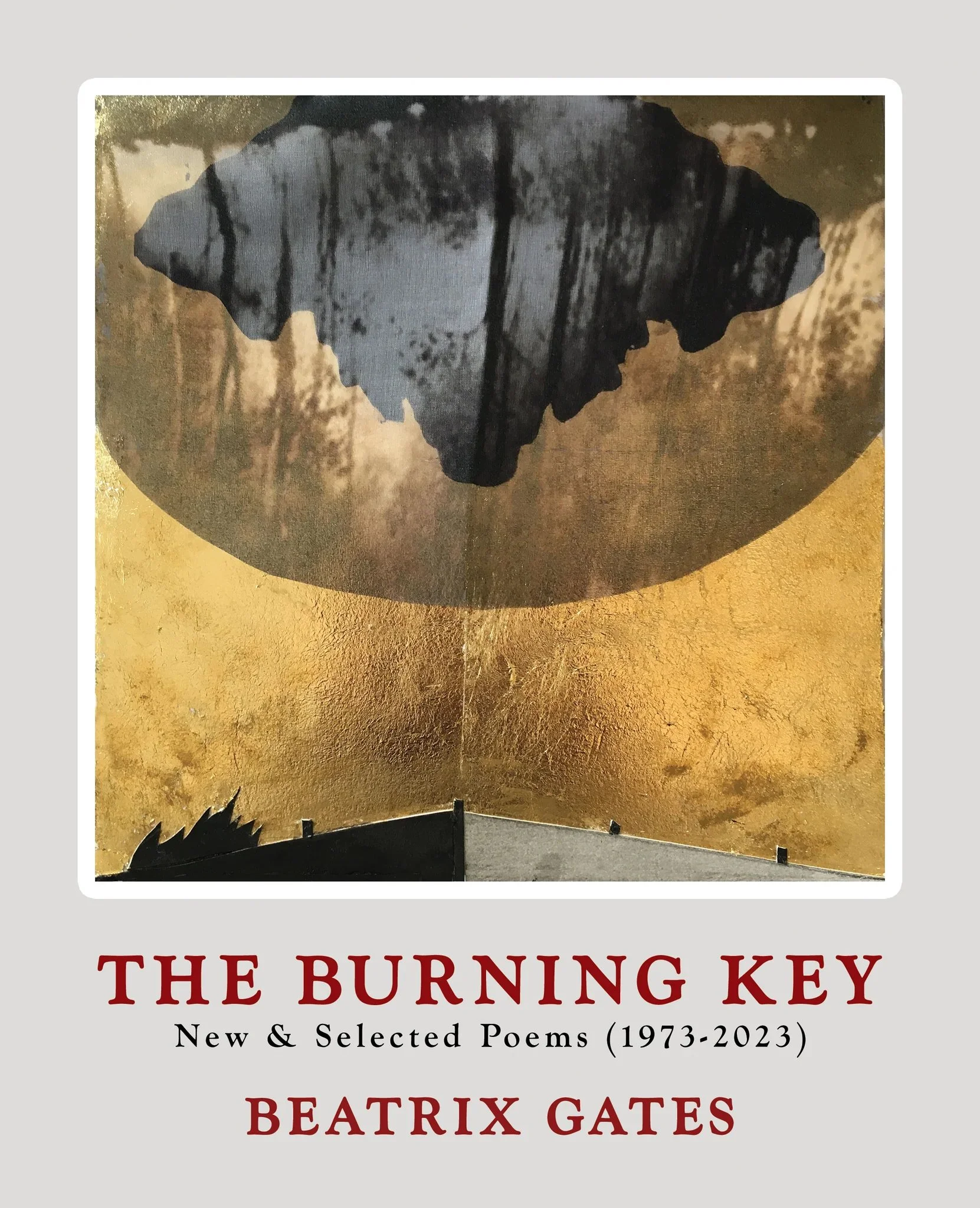
The poems in Beatrix Gates’s The Burning Key, a book drawing together the poet’s work across a half-century from seven collections, translations, and uncollected poems, are precision instruments attuned to the great work of being human in community and in love. A cumulative peopled landscape emerges through these often-elegiac poems. The originality of Gates’s language and metaphors is electric, a strangeness that brings the world alive. The early poem “A mask for a stone trying to be discovered” exemplifies the collection’s originality: “Unbutton my slate-colored eyes/ I see well below the surface” (p.13, lines 1-2). These sharp-eyed, strong poems “see well below the surface.” The startling elegy “Another mother, my own” frames a dialogue between the poet and her mother, with the mother understanding “grief is loud and soundless....Touch my hands/I am here,” and the poem culminating in the achingly sad suggestion by the mother: “We do not have to close/ to close the wound/ Let it be large and speak/ You are part of me” (p.36, line 14; lines 21-22; lines 53-56). Connecting at an eccentric slant to lineage, the poem “grandmother” frames a tree as an ancestor, and an ancestor as a tree, with the lines “as you reached towards me, warm palms/ that last time, green touch, rings turned” joining tree rings and the rings on the hand of the grandmother in a miraculous double metaphor.
The motif of the key runs throughout the collection, as talisman, an enigmatic image/idea that opens poetry, allowing the speaker and reader to enter its majestic depths. The key is the poet’s muse and talent, as Gates writes with incantatory force, “I make a fire and lay my hands down” closing the poem, “The key slips from the hand/left or right thrown away/in the snow through the door,” so that the poem occurs when the key moves of its own brilliance as if beyond the poet’s control (“In the Dark,” p.67 line 2; lines 13-15). Gates’s singular ability to create an alternate realm in her poems, both recognizable as this world, sharp and accurate, and a field or plane deeper and more intent than the everyday, transports the poetry. In “Hawk” she writes of the bird “Somehow you have landed here—/faultless on the ordinary pavement,” and astonishingly connects this vision of death to the bird’s finding home and by implication the speaker’s home “dangling, busted, home” (pp.82-83, lines 22-24; line 31). This haunting dual sense of being at home with and estranged from the living pulses through The Burning Key as the elegant, chiseled poems face grief and conjure survival.
Gates’s gift is the originality of her lines. That may sound like a description of all poetry but, no, most of the poetry we read riffs and borrows from the rare original. Gates is the rare original, with lines that make your jaw drop in their accuracy and depth. Consider “Sparks Street” which, addressing the poet’s mother, extends into a meditation, writing “The dead still wait, dog/the doors/whites of the eyes/ rolled up like a sleeve of moon...This is called memory/when the live ones leave,/grow out through the latches/ and hold onto the keys” (p. 89, lines 9-11;13-15). It is through facing death that the speaker of these poems find the keys to poetry as home, with “Sparks Street”’s magnificent conclusion: “I could not for the life of me move/but sat and sat in the same chair/ inside this, my last house, my home” (p.89, lines 27-29). This last house is the poems themselves.
The book’s motif of the key shapes a pattern at once kaleidoscopic, as the poet writes (in the poem “May 14 th , 1980”), “What lasts in the world is pieces,” and unified. Gates’s words rise from the page like a controlled burn. As the poet writes “I am fresh as blank paper.” Each line in Beatrix Gates’s The Burning Key carries that freshness, openness, of supposing nothing, observing everything and writing in fire across the existential blankness we all inherit with our births. In the lovely elegy for Audre Lorde, Gates describes Lorde “carefully marking/ this time in shadows” and we can understand Gates’s work as similarly marking this oneiric shadow-time of living (p.117, lines 30-31). In a later prose poem Gates notes: “in this gorgeous shell of light, what emptiness am i living in... the shapes of quiet that are so large.” The quietness of Gates’s lexicon clarifies the largeness of her poetic project, the ampleness of her gift.
Beatrix Gates, The Burning Key, New and Selected Poems (1973-2023)
Thera Books, August 2023 • ISBN 979-8986309835 • $22.95
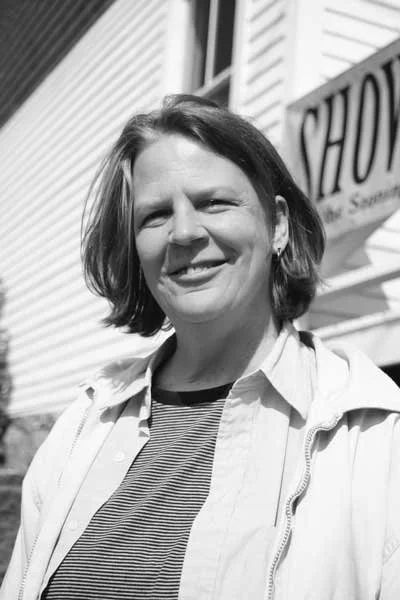
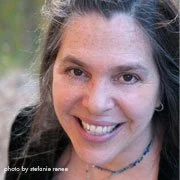
Beatrix Gates has been a Fellow at MacDowell, Monson Arts, Ucross and VCCA. A Lambda Finalist for In the Open and for the MWPA Nonfiction chapbook, she received a 2022 Maine Arts Commission Poetry Fellowship, and is now working on hybrid poems about LGBTQ life in Maine (1975-2025). She designed & printed her first book, native tongue ( hopalong press, 1973) on handmade paper and endpapers made from her blue jeans, creating the edition with bookbinder Gray Parrot. Gates founded Granite Press (1975-1989) publishing Grace Paley’s Leaning Forward; and the bilingual IXOK AMAR.GO, Central American Women Poets for Peace. She was at the table for the founding of the MWPA with others. She has taught writing and literature in rural and urban community settings as well as at Colby College, Canada’s QUEST University, NYU, in the C.U.N.Y. system the Goddard MFA program.
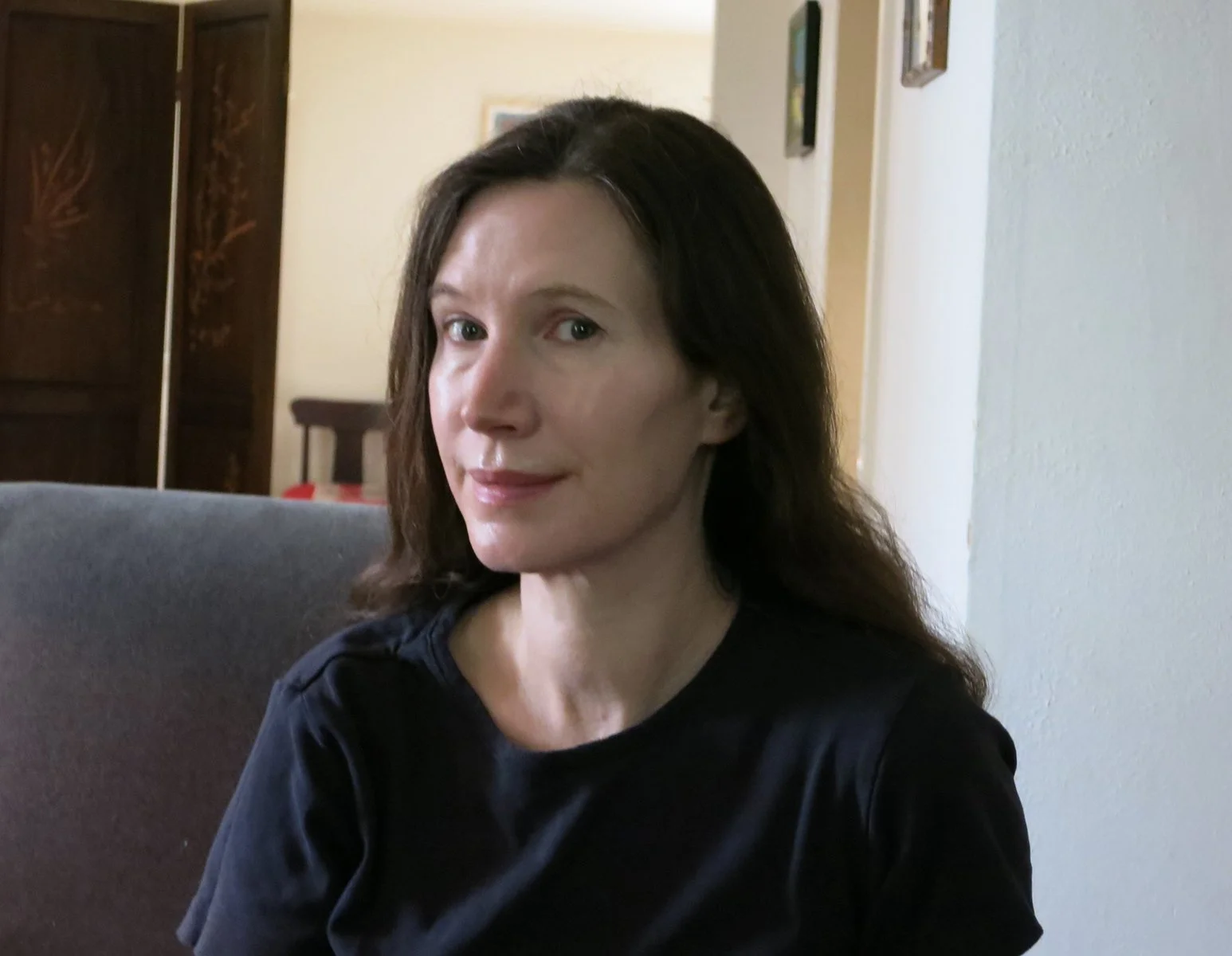
Claire Millikin is the author of ten collections of poetry, including her newest book Macicicada (Unicorn Press, 2024), Elegiaca Americana, published by Littoral Books in 2022 and State Fair Animals published by Unicorn Press in 2022. Millikin's poetry books, Motels Where We Lived (2014), Television (2016), and State Fair Animals (2018) have been noted as finalists for the Maine Literary Award and in 2021, she received the Maine Literary Award as co-editor of the anthology Enough! Poems of Resistance and Protest. Her poetry book Dolls (2021) was semifinalist for the PSV Poetry Book Award for North American Publishers and Writers. Millikin teaches American Studies and art history at Bates College and the University of Maine.